Blog
Roof Repair vs Replacement: How to Know What You Really Need

Author
Thayer Juno
Published
Jun 22, 2025
Category
Guides
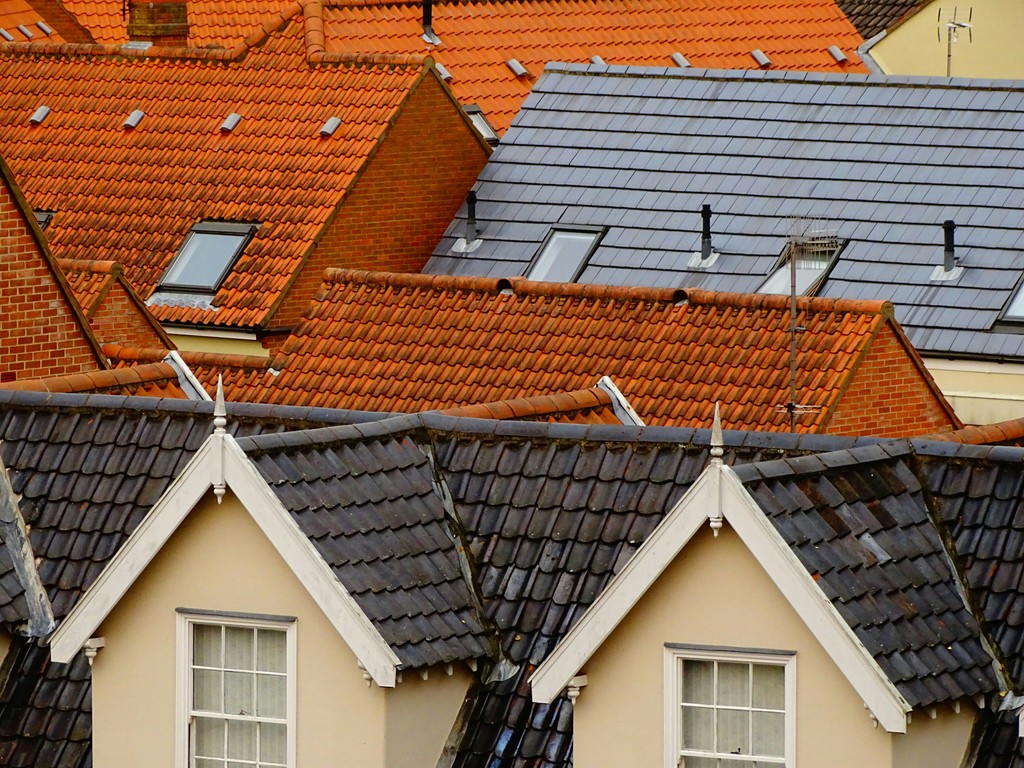
When a roof starts showing signs of trouble, the real question isn’t whether it needs attention — it’s how much work is actually required. Is a simple repair enough, or is a full replacement the better option? This guide explains the decision clearly and practically, without technical jargon or pressure.
Start with the age of your roof
The age of your roof is one of the clearest indicators of whether repair or replacement makes sense. A newer roof with minor issues can often be repaired effectively, while an older roof may be approaching the end of its service life.
Typical lifespans include:
Asphalt-based roofing: 15–25 years
Metal roofing: 40–70 years
Clay or concrete tiles: 50+ years
Flat or low-slope roofing systems: 10–20 years
As roofs age, repeated repairs can become less economical than a single replacement.
Look at the damage—and how widespread it is
A single slipped tile is often straightforward to fix. Widespread damage, however, usually points to a more significant issue.
Repairs are generally suitable when:
Damage is limited to a specific area
Only a small number of tiles are affected
There are no structural concerns
The roof is relatively new and well maintained
Replacement may be more appropriate if:
Leaks are occurring in multiple areas
Roofing materials are deteriorating across large sections
There are signs of rot, damp, or sagging
Ongoing repairs are becoming frequent
Consider your future plans
Your plans for the property can influence the best course of action.
If you’re planning to sell:
A new roof can improve kerb appeal and property value
Buyers often appreciate the reassurance of a recently replaced roof
If you’re staying long-term:
Repairs may be more cost-effective initially
A replacement offers peace of mind and reduced maintenance over time
Don’t forget energy efficiency
Older roofs are often less energy-efficient and may contribute to heat loss. A new roof can improve insulation and help regulate indoor temperatures throughout the year.
In some cases, upgraded materials and insulation can also support improved energy performance ratings for your home.
Get a pro’s opinion—seriously
It may sound obvious, but a professional inspection is the only way to fully understand your roof’s condition.
A reputable roofer will:
Inspect the roof structure and loft space
Identify issues not visible from ground level
Clearly explain your options and associated costs
Be cautious of anyone recommending replacement without a proper inspection.
The final verdict
There’s no universal answer, but a simple rule of thumb applies:
If the roof is relatively new and damage is minor, repair is usually sufficient.
If the roof is ageing, deteriorating, or repeatedly failing, replacement is often the better long-term solution.
If you’re unsure, a professional inspection can provide clarity. We offer straightforward assessments so you can make an informed decision without pressure.
Author
Thayer Juno
Thayer is the calm in the middle of the roofing storm. Whether he’s juggling three site crews or answering your texts at 7am, he’s the reason every project stays on track and stress-free.
What’s better than insider perks, pro tips, and surprises?
Sign up to get the most recent blog articles in your email every week.