Blog
Roof Repair vs Replacement: How to Make the Right Decision

Author
Thayer Juno
Published
Jun 22, 2025
Category
Guides
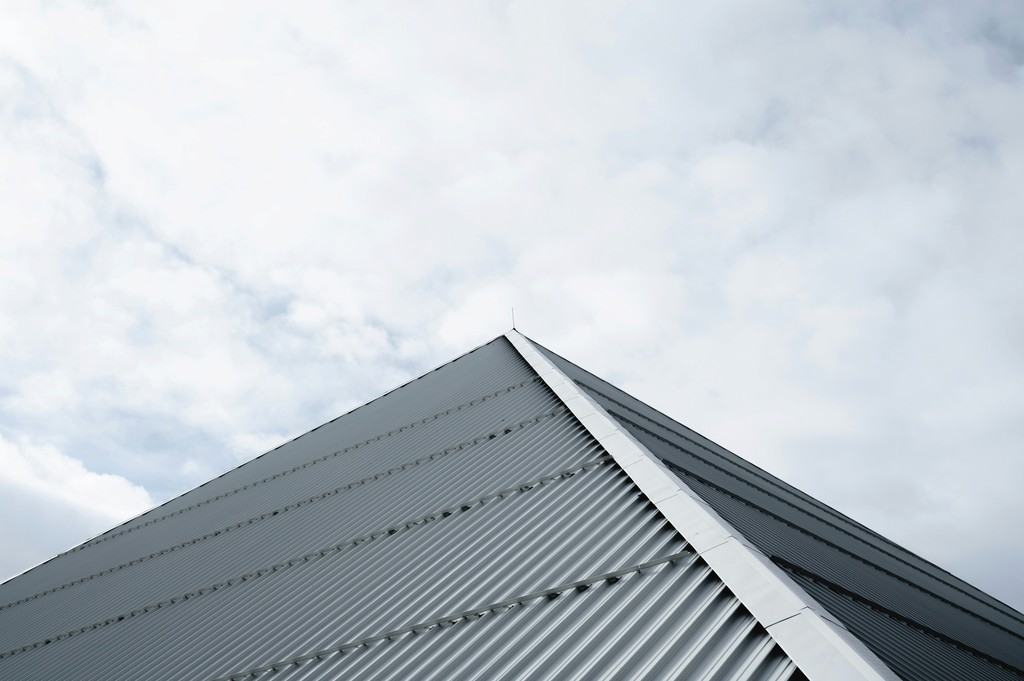
Your roof has an issue — perhaps a minor leak, a few slipped tiles, or visible signs of age. The big question quickly follows: should you repair it, or is it time for a full replacement? This guide breaks things down clearly and objectively, helping you decide what makes sense for your property, your budget, and your peace of mind — without any sales pressure.
Start by assessing the damage
Not all roofing problems are equal. The first step is understanding the extent of the damage.
A repair may be suitable if:
The issue is limited to a specific area
Only a small number of tiles are damaged or missing
There are no internal leaks
The roof is relatively new (around 10–12 years old)
Replacement may be the better option if:
The roof is 15–20 years old or more
Damage is spread across large sections
Multiple repairs have already been carried out
There are visible damp patches or stains indoors
Tip: What appears to be a minor issue can sometimes indicate deeper structural problems. A professional inspection is the safest way to confirm.
Consider the age of your roof
Every roofing material has a limited lifespan. As a roof approaches the end of its service life, replacement often becomes the more sensible long-term option.
Typical lifespan by material:
Asphalt shingles: 15–25 years
Metal roofing: 40–70 years
Clay or concrete tiles: 50+ years
Flat roofing systems: 20–30 years
If your roof is nearing these limits, ongoing repairs may become less cost-effective than a full replacement.
Think long-term value, not just short-term cost
While repairs may cost less upfront, it’s important to consider how long they will last. A replacement is a larger investment, but it often provides greater reliability and improved energy efficiency over time.
Benefits of roof replacement include:
New warranty protection
Increased property value
Better insulation and energy performance
Reduced worry during heavy rain or storms
However, a repair may be perfectly suitable if the damage is minor or if you plan to sell the property in the near future.
Watch for signs of underlying trouble
In some cases, the visible problem is only part of the issue. Water ingress can lead to rot, damp, or mould within the roof structure.
If an inspection reveals:
Soft or weakened roof decking
Mould or persistent damp in the loft
Water-stained timbers beneath the roof covering
…a full replacement is often the safest and most cost-effective solution.
The verdict? Get a pro to weigh in
You don’t need to make this decision on your own. A reliable roofing professional will inspect your roof and clearly explain your options — without pressure.
Choose a roofer who:
Provides clear quotes for repair and replacement
Supports findings with photos or documentation
Explains timescales, warranties, and materials
Be cautious of unsolicited offers, particularly after storms — genuine professionals do not rely on pressure tactics.
Final takeaway
Roof repairs are ideal for minor or early-stage issues. However, if your roof is ageing, leaking in multiple areas, or requiring frequent attention, replacement may be the more practical option.
If you’re unsure, a professional inspection can provide clarity. We’re happy to assess your roof and offer honest advice to help you make the right decision for your property and budget.
Author
Thayer Juno
Thayer is the calm in the middle of the roofing storm. Whether he’s juggling three site crews or answering your texts at 7am, he’s the reason every project stays on track and stress-free.
What’s better than insider perks, pro tips, and surprises?
Sign up to get the most recent blog articles in your email every week.